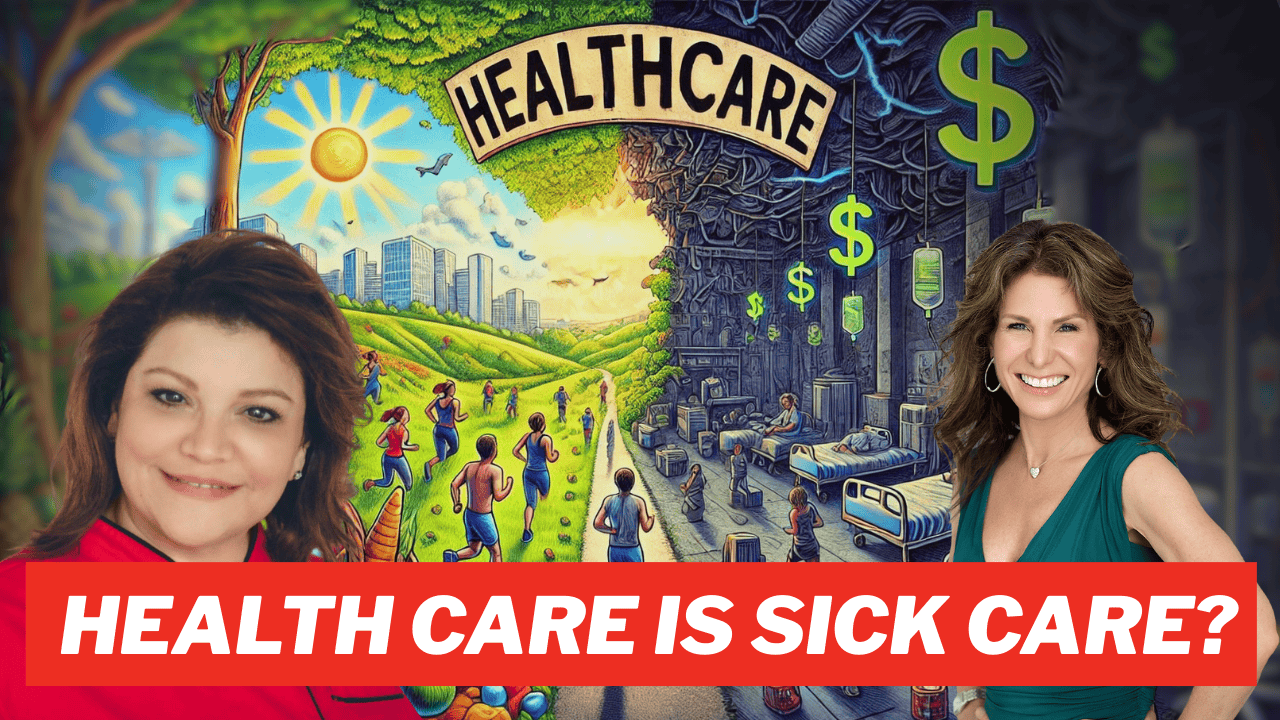
What if the food choices you make every day could not only heal your body, but also protect the planet for generations to come? It’s a powerful idea—and one that many of us overlook in our busy, convenience-driven lives. In a recent Healthy Rebel Speaks Out podcast, Registered Dietitian Bonni London sat down with Chef Alyson Zildjian, sustainability expert and CEO of Zildjian Consulting. Together, they explored how our food system is affecting not just our waistlines and wellbeing, but also our soil, our climate, and our future.
Whether you’re a health-conscious consumer, a business leader, or a concerned parent, you’ll walk away from this discussion with actionable tools to start making impactful, informed choices.
Why This Conversation Matters
You might think your food decisions begin and end with the grocery store. But the truth is, the implications go much deeper. Chef Alyson’s journey began with her son’s diagnosis of Crohn’s disease, and it changed the way she looked at food entirely. Instead of turning to medications, she and her family used food as medicine—and it worked.
This personal story illustrates a larger truth: the current medical model is designed to suppress symptoms rather than address root causes. Chronic diseases—autoimmune conditions, gastrointestinal issues (like IBS, IBD), and even neurological disorders—are skyrocketing. And many of them are linked to environmental and dietary toxins, degraded soil, and ultra-processed food.
Common Mistakes We’re Making
- Outsourcing Meals
More than 50% of food dollars are now spent on meals prepared outside the home. That means we’re consuming more unknown ingredients, more seed oils, and fewer nutrient-dense foods. Even those who believe they’re making healthy choices can be derailed by hidden additives, pesticides, and processing methods.
- Ignoring Seasonality
Eating strawberries in January? Watermelon in the winter? Our bodies—and the earth—thrive on seasonal eating. Out-of-season produce is often shipped long distances, picked prematurely, and treated with ripening agents or gases. This not only depletes nutrients but contributes to higher carbon emissions.
- Trusting Labels Over Logic
Words like “natural,” “healthy,” and “plant-based” can be misleading. Many processed foods (including vegan meat alternatives) use the same ingredients—corn, soy, and sugar—that are fed to livestock to fatten them up. We’re unknowingly mimicking these same weight-gaining protocols.
My Recommendations for Food Empowerment
✅ Start with Your Coffee
Love your morning brew? Then make it count. Use clean, chemical-free coffee and a stainless steel or glass French press. Avoid paper cups, which often contain endocrine-disrupting coatings. This simple switch is a great gateway into mindful consumption.
✅ Eat Seasonally & Locally
Find your local farmers’ market. Join a CSA (Community Supported Agriculture). Or try services like Misfits Market, which sells imperfect (but organic!) produce at a discount. Bonus: local food = better nutrients + lower environmental impact.
✅ Make 3 Go-To Meals
Don’t get overwhelmed by meal prep. Just learn 3 basic meals that you can rotate during the week. Marinara sauce, grilled veggies, and a simple protein like wild-caught salmon or grass-fed beef are great starting points. Build confidence in the kitchen, then expand.
✅ Cook More at Home
If you want to control what you’re putting in your body, you need to control how it’s made. Cooking at home helps reduce your intake of seed oils, preservatives, and processed sugars. It’s also better for your wallet and your relationships.
✅ Choose Ingredients with Fewer “Middlemen”
The closer your food is to the source, the better. Meet your farmer, your beekeeper, your fisherman. This kind of transparency ensures you’re getting nutrient-dense, unadulterated food—and supporting your community.
Bonus Tips / FAQs
Q: What if I don’t have time to cook every day?
🕓 Try batch cooking once a week. Make soups, sauces, and protein portions ahead of time. Or invest in a meal prep service with clean ingredients.
Q: Is organic worth it?
🌱 Yes—but prioritize the Dirty Dozen. If budget is a concern, go organic for the most pesticide-laden produce like berries, spinach, and apples.
Q: How does soil affect my health?
🌍 Depleted soil = nutrient-poor crops = nutrient-poor people. It’s all connected. Healthy soil also means fewer pests and less need for synthetic chemicals.
Key Takeaways
- Sustainable food isn’t a trend—it’s a necessity for health and the planet.
- Soil health = your health.
- Start with one small change: clean coffee, local produce, 3 go-to meals.
- Cooking at home is one of the most powerful acts of self-care.
- What you eat can be either a slow poison or powerful medicine.
Want to Feel Better, Live Better, Eat Better?
👩⚕️ I help clients every day take back control of their health—without crash diets or complicated plans. If you’re in the Sarasota or Lakewood Ranch area, book a free strategy session with me, your trusted Registered Dietitian Sarasota & Nutrition Expert Lakewood Ranch.