Why “Eat Less, Move More” Is Making Your Midlife Weight Gain Worse (And What to Do Instead)
If you have been doing everything right — cutting calories, hitting the gym, maybe even going gluten-free — and your body is still not responding the way it used to, this is not a willpower problem. It is a hormonal and metabolic problem, and the advice you have been given may actually be making it worse.
In this episode of Healthy Rebels Speaking Out, I sat down with Dr. Hilda Maldonado, a board-certified physician in anti-aging and regenerative medicine with over 30 years of clinical experience helping women over 40 navigate these exact transitions. What she shared was a masterclass in what is actually happening inside the body during perimenopause and menopause — and why the standard approach keeps failing.
What Most Women Are Never Told About Perimenopause
Perimenopause is not a single moment. It can begin up to 10 years before your final period, and every woman enters it in a different physiological and metabolic state. One of the most common mistakes Dr. Maldonado sees is women being told to wait — to hold off seeking help until they have gone a full year without a cycle and officially meet the definition of menopause.
“When you wait that year, you’re wasting a big window of opportunity,” she explained.
The hormonal sequence matters here. During perimenopause, progesterone is the first hormone to decline. Estrogen deficiency does not become the primary issue until menopause itself. Low progesterone can show up as disrupted sleep, anxiety, mood swings, water retention, breast tenderness, constipation, and worsening PMS symptoms — all things that are commonly dismissed as stress or aging.
Dr. Maldonado now recommends baseline hormone testing starting around age 28 to 30, given the environmental estrogen burden that is accelerating hormonal disruption. And if you are testing for progesterone specifically, timing matters: day 19, 20, or 21 of your cycle is when you will get an accurate read.
One simple starting point she recommends to every patient: keep a symptom calendar. Track your cycles, your energy, your moods, your cravings. The patterns will tell you more than a single lab visit ever could.
Why Calorie Restriction and Cardio Backfire After 40
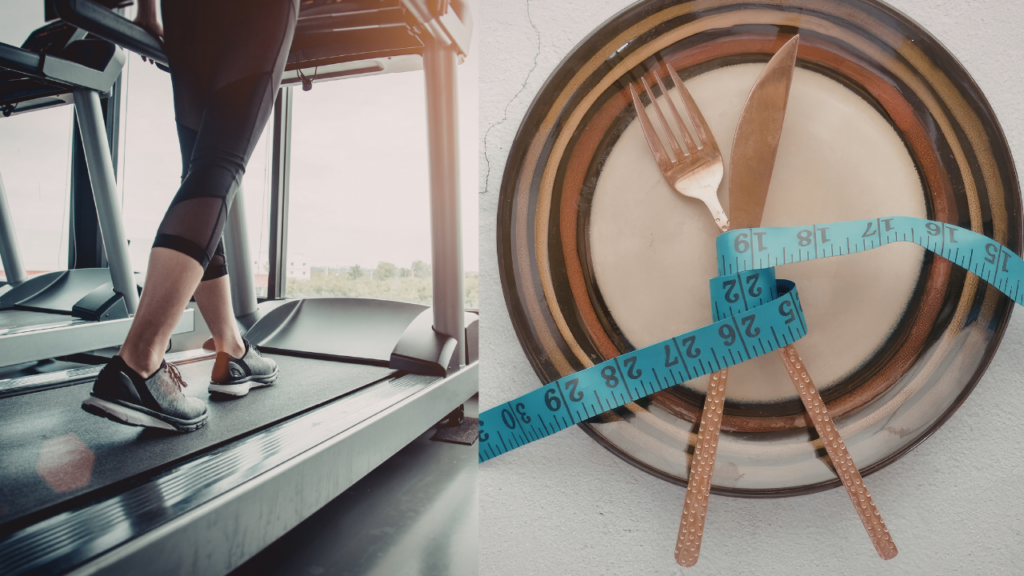
The conventional prescription — eat less, move more — becomes a physiological stressor in perimenopause and menopause. When you under-eat and over-exercise in this phase of life, you elevate cortisol. Elevated cortisol impairs thyroid conversion, promotes fat storage, and accelerates muscle loss. It is the exact opposite of what you are trying to achieve.
“Calorie restriction and excess cardio are not going to be the answer for that metabolic state,” Dr. Maldonado said plainly.
Muscle is what she calls your metabolic insurance. It improves insulin sensitivity, sends signals to the brain, and is the single most important physical asset you can protect as you age. The process of age-related muscle loss — sarcopenia — promotes accelerated aging and metabolic decline. Losing muscle while trying to lose weight is not a side effect you can afford to ignore.
The shift here is fundamental: stop chasing the number on the scale and start caring about body composition. Percent body fat, lean muscle mass, hydration status — these are the markers that tell the real story. An InBody device or similar body composition tool will show you things a scale never can.
The Thyroid Connection Nobody Is Talking About
Many women are told their labs are normal and sent home, only to feel worse year after year. Dr. Maldonado is direct about this: normal does not mean optimal, and a normal TSH result does not mean your thyroid is functioning well.
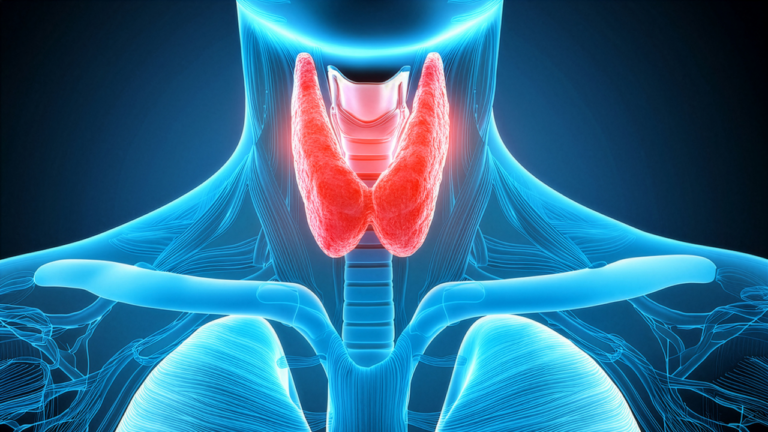
Here is the simplified version of what is actually happening. Your pituitary produces TSH, which signals the thyroid to produce T4. That T4 must convert to T3, the active form that your cells can use. That conversion happens primarily in the liver and the gut — and it requires specific nutrients: B vitamins, iron, zinc, selenium, and iodine. It also gets blocked by high cortisol, by oral estrogen (including birth control pills), and by gut dysfunction.
This means a woman can have a normal TSH and still not be converting T4 to T3 effectively. A complete thyroid panel should include free T3, free T4, antithyroid antibodies (TPO), and in some cases, reverse T3, which can actively block thyroid function.
“You can have a normal TSH, but not be converting properly your T4 to T3,” she explained. “And that is information.”
What the FDA’s 2025 Estrogen Decision Changes for You
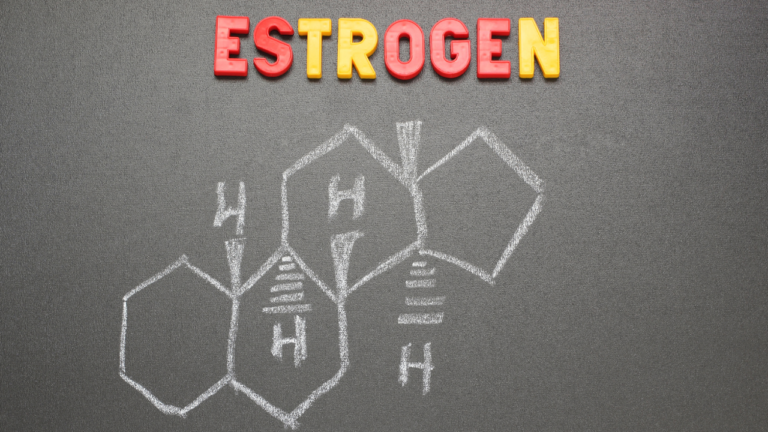
This is a significant development that every woman over 40 should know about. In late 2025, the FDA officially lifted the black box warning on estrogen — a warning that had been in place for 23 years and caused countless women to be denied hormone therapy out of fear of cardiovascular disease.
That warning has been removed. The emerging data now supports estrogen’s protective role in cardiovascular health, brain health, immune function, pelvic floor integrity, and sexual health.
One important distinction Dr. Maldonado emphasized: not all estrogen delivery is equal. Oral estrogen — even bioidentical oral estrogen — passes through the liver, increases inflammation, and raises thyroid binding globulin, which effectively traps your active thyroid hormone and makes it unavailable to your cells. Transdermal estrogen (patches, creams, gels) bypasses the liver entirely and does not carry the same risks.
“No reason to take oral estrogens when there are so many choices for transdermal,” she said.
If your provider has not brought this conversation to you, it may be time to ask. Dr. Maldonado has a free guide available through the show notes that outlines the questions to ask your physician, the distinctions between bioidentical and synthetic estrogen, and the difference between oral and transdermal delivery.
Key Takeaways
– Perimenopause can begin up to 10 years before menopause; progesterone drops first, estrogen declines later
– Eating less and exercising more elevates cortisol and accelerates muscle loss in midlife
– A normal TSH does not mean your thyroid is converting properly — ask for a full panel
– Oral estrogen increases thyroid binding globulin and liver inflammation; transdermal is preferred
– Muscle is metabolic insurance — body composition matters far more than the number on the scale
– If your labs are “normal” but you feel awful, the labs may not be telling the whole story
– Start tracking symptoms on a calendar — cycle patterns reveal hormonal imbalances before labs do
Ready to stop guessing and start getting answers? Book a discovery call at londonwellness.net, and subscribe to Healthy Rebels Speak Out so you never miss an episode.